Wedding flowers suppliers on Three Mills and Bow Wharf
Posted on 02/10/2026
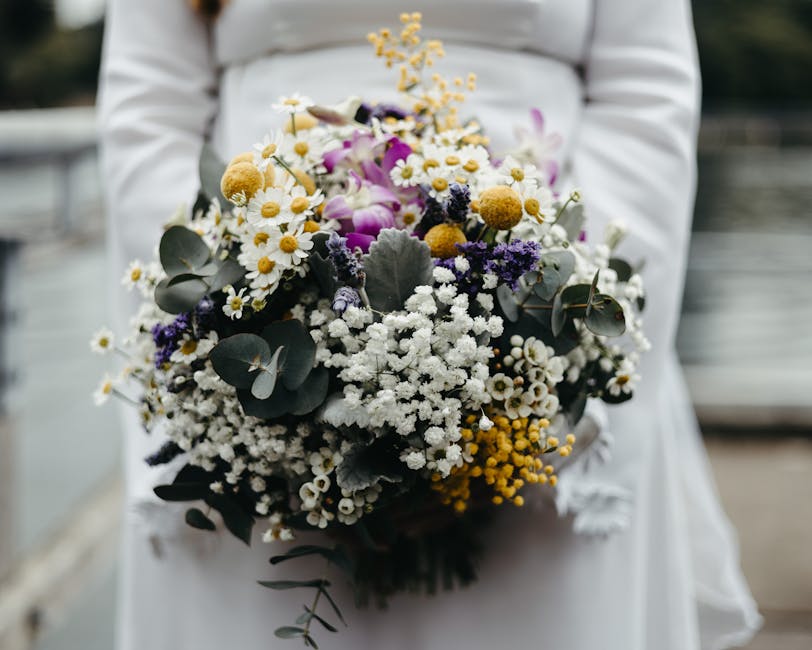
Wedding flowers suppliers on Three Mills and Bow Wharf: a practical guide for planning beautiful London wedding florals
Planning wedding flowers can feel wonderfully exciting right up until you start comparing bouquets, centrepieces, buttonholes, delivery timings, and colour palettes. If you are looking for Wedding flowers suppliers on Three Mills and Bow Wharf, you are probably after something more specific than "nice flowers". You want a supplier who understands the look and pace of a London wedding, can work with venue timings, and can make everything feel polished without turning the day into a logistics headache.
That is exactly what this guide is for. We will walk through how wedding flower supply works in the Three Mills and Bow Wharf area, what to look for, which floral pieces matter most, where couples often go wrong, and how to choose arrangements that fit your venue, your budget, and your style. Truth be told, good wedding flowers are not just decorative. They help set the mood the moment your guests arrive.
And yes, there is a method to it. A fairly sensible one, actually.
Table of Contents
- Why Wedding flowers suppliers on Three Mills and Bow Wharf Matters
- How Wedding flowers suppliers on Three Mills and Bow Wharf Works
- Key Benefits and Practical Advantages
- Who This Is For and When It Makes Sense
- Step-by-Step Guidance
- Expert Tips for Better Results
- Common Mistakes to Avoid
- Tools, Resources and Recommendations
- Law, Compliance, Standards, or Best Practice
- Options, Methods, or Comparison Table
- Case Study or Real-World Example
- Practical Checklist
- Conclusion
- Frequently Asked Questions
Why Wedding flowers suppliers on Three Mills and Bow Wharf Matters
Three Mills and Bow Wharf has a very particular feel. It is historic, urban, and a little romantic in that understated East London way. For weddings, that matters more than people sometimes expect. Flowers do not exist in a vacuum; they need to sit comfortably alongside the venue's architecture, natural light, pathways, arrival areas, and the general flow of the day.
A supplier who regularly works with wedding flowers in Bow E3 understands that the flowers need to do more than "look pretty in photos". They need to:
- match the scale of the venue
- work in changing light, especially indoors and near water
- arrive on time and in good condition
- hold up through the ceremony, reception, and photos
- feel like part of the venue rather than something dropped in at the last minute
That last point is bigger than it sounds. A small bridal bouquet can vanish in a large room. A huge table arrangement can overwhelm a more intimate setup. The right supplier helps you avoid that mismatch before it becomes expensive regret.
Practical takeaway: the best wedding florist is not just a florist with pretty stock photos. It is someone who can translate your venue, timeline, and budget into flowers that behave well on the day.
In a place like Three Mills and Bow Wharf, where the atmosphere already carries a lot of character, the floral design should support the setting rather than compete with it. That is where experience really shows.
How Wedding flowers suppliers on Three Mills and Bow Wharf Works
The process is usually more straightforward than couples fear, though there are a few moving parts. Most wedding flower suppliers work through an enquiry, consultation, design proposal, confirmation, preparation, and delivery stage. The exact style may vary, but the logic is similar.
1. Initial enquiry
You share the essentials: wedding date, venue, guest count, colour preferences, key floral items, and any inspiration you already have. If you already know the ceremony and reception locations, say so early. It saves time and avoids vague planning.
2. Style discussion
This is where you move beyond "white and green" or "something romantic". A good supplier will ask about dress style, venue feel, season, and what you do not want. Yes, what you do not want matters. Some couples know they want roses and nothing too structured. Others want texture, movement, and a less formal look. Both are valid.
3. Proposal and item selection
You will usually choose from bridal bouquets, bridesmaid bouquets, buttonholes, ceremony flowers, table arrangements, and possibly extras such as petals or floral accessories. For local weddings, a practical mix often works better than over-ordering every possible item.
4. Sourcing and conditioning
Flowers are not simply picked and placed. They are sourced, checked, trimmed, hydrated, and prepared. The florist may suggest substitutes if a specific bloom is not in peak condition. To be fair, that is not a downgrade. It is good practice.
5. Delivery and set-up
On the wedding day, timing is everything. Flowers are delivered or installed in line with the venue schedule, registrar access, ceremony times, and photography windows. In a busy London setting, that planning can be the difference between calm and chaos.
If you are browsing related options, the site's wedding collection and Bow wedding flowers pages are useful places to compare styles, bridal pieces, and finishing touches before you decide.
Key Benefits and Practical Advantages
When you work with the right wedding flower supplier, the benefits are not only visual. They are organisational, emotional, and surprisingly practical.
A more cohesive wedding look
Flowers can tie together the dress, venue decor, bridesmaid outfits, stationery colours, and even the mood of your photos. A small flower detail repeated across the day makes everything feel intentional. That coherence is what guests notice, even if they could not explain why.
Less pressure on the day
Wedding mornings are busy enough already. A reliable florist takes one task off your list. You are not rearranging bouquets five minutes before the ceremony. You are not worrying whether the table flowers match the room. You are, ideally, drinking tea and trying to remember where your shoes are.
Better use of budget
Good suppliers can help you spend where it counts. For example, a statement bridal bouquet and simpler guest table arrangements may be more effective than buying lots of decorative extras. Sometimes a few strong pieces are better than many average ones. There, said plainly.
Flowers that suit the season
Seasonal flowers usually give a better balance of beauty, availability, and value. A knowledgeable supplier can suggest alternatives that preserve the feeling you want even if a particular flower is unavailable or expensive at that time of year.
Venue-friendly arrangements
In venues near Bow Wharf, where space and access may be more structured than in a generic hotel ballroom, your flowers need to be easy to move, place, and photograph. Compact yet elegant designs often work beautifully.
| Wedding floral element | Why it matters | Practical note |
|---|---|---|
| Bridal bouquet | Main visual focal point | Should suit dress shape and personal style |
| Bridesmaid bouquets | Creates continuity in photos | Often smaller and simpler than the bride's |
| Buttonholes | Adds polish for the wedding party | Needs to be secure and comfortable |
| Table arrangements | Shapes the reception atmosphere | Should leave room for plates, glassware, and conversation |
| Ceremony flowers | Frames the most important moment | Can often be repurposed later for reception areas |
Who This Is For and When It Makes Sense
This kind of service makes sense for a wide range of couples, but especially if you want the flowers to feel considered rather than improvised.
You should consider a local wedding flower supplier if you are:
- planning a wedding at or near Three Mills and Bow Wharf
- looking for a supplier who understands London timings and access
- trying to match flowers to a venue with strong architectural character
- working within a clear budget and want helpful guidance
- hoping to reuse flowers from ceremony to reception
- choosing between ready-made and custom arrangements
It also makes sense if you simply do not want floral decisions hanging over you for months. Many couples think they need a bespoke design from scratch, but often what they really need is a trusted set of options with a few thoughtful adjustments. Simple, but not basic. There is a difference.
For couples who want a ready-made route, a curated option such as bridal bouquets, bridesmaid bouquets, and buttonholes can be a sensible starting point. You can then build the rest around those core pieces.
Step-by-Step Guidance
If you are planning wedding flowers for Three Mills and Bow Wharf, this is the cleanest way to approach it. Not flashy. Just effective.
- Confirm the venue details early. Ask about access times, load-in points, and where flowers can be placed. A beautiful design still needs a practical route into the building.
- Set a floral priority list. Decide what matters most: bouquet, ceremony display, table flowers, buttonholes, or all of the above. If budget is tight, start with the items people will see most.
- Choose a colour direction. Think in terms of mood, not just colour names. Soft neutrals feel different from crisp whites, and mixed pastels feel very different from deep jewel tones.
- Match flowers to the season. This can improve consistency and reduce substitutions. If you love peonies in theory but your date says otherwise, be flexible. Your florist can usually offer a similar effect.
- Review the proposal carefully. Check stem counts, sizes, delivery method, and whether any items will need fixing in place. Small details matter here.
- Ask about reuse. Ceremony flowers can often be moved to the reception. A good supplier will help plan this so you are not paying twice for the same visual impact.
- Confirm timings in writing. Wedding days have enough moving parts already. Delivery windows, contact numbers, and handover instructions should be clear.
A tiny but useful tip: if you are unsure about bouquet size, stand in front of a mirror and hold your hands roughly where you imagine the bouquet would sit. That sounds obvious, but people rarely do it. Then they regret ordering something too large. Or too small, which is oddly disappointing in a different way.
Expert Tips for Better Results
Here is where a bit of practical experience pays off. Small decisions can make a surprisingly big difference.
Choose flowers that work in real light
Some blooms look rich and dimensional in daylight but flatten under indoor lighting. If your venue has softer light or evening reception areas, ask how the chosen flowers will photograph after sunset. It matters more than people think.
Design for the whole day, not just the ceremony
Flowers that look lovely for twenty minutes but wilt or crowd the space by dinner are not a great investment. Think about how your arrangements will sit across the full day. Will guests still be able to talk across the table? Will the bouquet feel easy to hold? Will the buttonhole stay neat?
Use texture thoughtfully
Texture gives bouquets depth. Roses, lisianthus, orchids, hydrangeas, and seasonal foliage can be layered for a richer effect without making the design heavy. A mixed arrangement often feels more natural than a single-flower look, though a monochrome palette can be very elegant too.
Keep one feature point strong
In our experience, a wedding looks better when one floral element leads and the others support it. For example, if the bridal bouquet is detailed and lush, table flowers can be simpler. That balance keeps the wedding from feeling visually noisy.
Ask what can be repurposed
One of the most practical upgrades is turning ceremony flowers into reception decor. A registrar table arrangement can become a guest book display. A pedestal piece can move beside the cake table. Easy win, really.
For scent, colour, and care guidance, the site's flower care advice and delivery information can help you understand how long arrangements may hold up and what to expect once they arrive.
Common Mistakes to Avoid
Wedding flower mistakes are rarely dramatic. They are usually little planning slips that add up. The good news is that they are avoidable.
- Booking too late. Popular dates can disappear quickly, especially in busy wedding seasons.
- Choosing based on one photo. A beautiful image is helpful, but it may not show scale, lighting, or what the flowers look like after transport.
- Ignoring the venue. A large romantic bouquet may clash with a clean modern space, while a minimal arrangement may get lost in a more atmospheric setting.
- Forgetting the practical bits. Buttonholes, corsages, and table sizes are easy to overlook until the last minute.
- Not asking about substitutions. Flower supply changes. A good florist will be transparent, but you should still know how substitutions are handled.
- Over-ordering decorative extras. A few well-placed arrangements often outperform a crowded room full of small pieces.
One more thing: do not assume every arrangement needs to be a separate design challenge. Sometimes consistency is the smartest choice. Use the same flowers, with slight size adjustments, across bouquet, buttonhole, and table pieces. Simple can be very refined.
Tools, Resources and Recommendations
You do not need a complicated toolkit, but a few resources make planning much easier. Start with a shortlist, not a free-for-all.
Helpful planning tools
- a wedding mood board for colours and textures
- a simple guest and table plan
- a venue floor plan or sketch
- photos of your dress, suit, or outfit palette
- notes on ceremony time, photography slots, and delivery access
Useful product areas to explore
If you are shaping a floral brief, these collections can help you think through the main categories without making the process feel overwhelming:
- wedding collections for overall inspiration
- bridal bouquets for the main focal piece
- bridesmaid bouquets for coordinated styling
- buttonholes for the wedding party
- table arrangements for the reception space
- corsages if you want to include key family members
You can also browse the broader flower shop in Bow E3 style options through the site's main range of flower collections and seasonal picks, especially if you are comparing wedding ideas with everyday floristry styles.
And if you are still at the very early stage, the about us and contact us pages can help you understand the team behind the flowers and the quickest way to ask detailed questions. That sort of human contact matters more than people admit.
Law, Compliance, Standards, or Best Practice
Wedding floristry is not usually a heavily regulated service in the way some industries are, but there are still sensible standards and responsibilities that matter. A professional supplier should follow good hygiene, handling, and delivery practices, and should be clear about what is included in the service.
Best practice typically includes:
- clear written confirmation of the order
- transparent pricing and delivery terms
- realistic guidance on flower availability
- safe handling of stems, tools, and packaging
- respect for venue access rules and setup times
- careful use of adhesives, pins, and wires where floral accessories are involved
If your wedding is at a venue with strict setup windows or access routes, the florist should work within those rules. That is normal. It is not awkward; it is just part of making the day flow properly.
You may also want to check practical policies such as payment terms, guarantees, returns, and sustainability commitments. Those pages can tell you a lot about how a business operates. For a deeper read, the site's guarantees, returns and refund policy, sustainability information, and terms and conditions are useful references before you finalise an order.
That kind of groundwork is not glamorous, I know. But it saves stress later. And wedding planning already has enough moving parts without mystery fine print.
Options, Methods, or Comparison Table
Not every wedding needs the same floral approach. Some couples want a fully bespoke design. Others want curated products that are quick to order and easy to coordinate. Here is a straightforward comparison.
| Approach | Best for | Pros | Watch out for |
|---|---|---|---|
| Bespoke wedding floristry | Couples with a clear style vision | Highly tailored, flexible, often more distinctive | Needs more planning time and detailed decisions |
| Curated wedding collection | Couples who want a quicker route | Easier to choose, usually simpler to budget for | Less room for unusual customisation |
| Mixed approach | Most practical weddings | Balances control and convenience | Requires a little coordination to keep the style consistent |
| Minimal floral package | Smaller weddings or tight budgets | Affordable, neat, and elegant when done well | Needs careful choices so it does not feel too sparse |
For many couples, the mixed approach is the sweet spot. For example, you might choose a more distinctive bridal bouquet, standard bridesmaid bouquets, simple buttonholes, and one or two statement table arrangements. That gives the day personality without overcomplicating the order.
Case Study or Real-World Example
Here is a realistic example from a typical Bow Wharf-style wedding plan. Nothing overblown, just a practical scenario that shows how the pieces fit together.
A couple planned a late spring ceremony near Three Mills with an intimate guest list and a reception close by. They wanted the room to feel soft, romantic, and not too formal. The venue had a lot of exposed character, so oversized arrangements would have looked a bit heavy. They chose a medium bridal bouquet, smaller bridesmaid bouquets, clean buttonholes, and a handful of table arrangements that could be moved from ceremony space to reception tables.
The florist kept the palette light and layered, using a combination of roses, lisianthus, and supportive foliage for movement. The couple avoided too many different flower types, which helped the whole day feel coherent. The flowers were delivered on time, placed quickly, and later repurposed so nothing felt wasted.
What made it work was not extravagance. It was fit.
That is the real lesson. If the flowers suit the venue, the timing, and the people in the room, they look more luxurious than something far pricier that was chosen without much thought. Funny how that works.
Practical Checklist
Use this checklist before you finalise your wedding flowers. It is the sort of thing couples wish they had done sooner.
- Venue confirmed, with access and setup details checked
- Wedding date and ceremony time clearly shared
- Priority floral items selected
- Colour palette and style direction agreed
- Bridal bouquet size and shape considered
- Bridesmaid bouquets and buttonholes counted
- Table arrangement sizes matched to table layout
- Ceremony flowers planned for possible reuse
- Flower substitutions discussed in advance
- Delivery timing confirmed in writing
- Budget reviewed against the final order
- Care instructions understood for the wedding day
One simple rule helps: if a floral choice does not improve the day, the photos, or the guest experience, it may not be necessary. That is not a harsh rule. Just a useful one.
Get a free quote today and see how much you can save.
Conclusion
Finding the right wedding flowers suppliers on Three Mills and Bow Wharf is really about balance: style, practicality, timing, and trust. The best floral plan feels beautiful without being fussy, and organised without feeling cold. It should suit the venue you have chosen, support the tone of the day, and make the photographs look effortless.
If you keep the venue in mind, choose flowers that work in the season, and ask clear questions early, you will avoid most of the common stress points. That leaves more room for the good part - the actual celebration. The laughter, the first look, the quiet bit before the ceremony when everything goes still for a second. That bit.
If you are ready to move forward, start with the styles that feel right, then narrow down the practical details. The flowers will follow. They usually do.
Frequently Asked Questions
What do wedding flowers suppliers on Three Mills and Bow Wharf ???? provide?
Most suppliers can provide bridal bouquets, bridesmaid bouquets, buttonholes, corsages, ceremony flowers, table arrangements, and sometimes floral extras such as petals or decorative accents. Some also offer ready-made wedding collections for quicker planning.
How far in advance should I book wedding flowers?
It is wise to book as early as you can, especially for popular wedding dates. Earlier booking gives you a better chance of getting your preferred style, availability, and delivery slot. Last-minute bookings can work, but choice is usually narrower.
Can I order wedding flowers if I am only planning a small ceremony?
Yes. Small ceremonies often benefit from a compact floral plan with just the essential pieces. A smaller bouquet, a few buttonholes, and one or two table arrangements can still look elegant without becoming expensive or overcomplicated.
What flowers work well for weddings in Bow E3?
That depends on the season, colour palette, and venue style. Roses, lisianthus, orchids, hydrangeas, and mixed seasonal flowers are common choices because they can be styled in softer romantic ways or more structured arrangements.
Are ready-made wedding collections a good idea?
They can be a very good idea if you want a simpler route. Ready-made collections reduce decision fatigue and make it easier to build a consistent look. They are especially helpful if you know the mood you want but do not want to design everything from scratch.
How do I make sure the flowers suit Three Mills and Bow Wharf?
Share venue details early, including the type of space, the ceremony layout, and any access restrictions. This helps the florist design arrangements that suit the scale and atmosphere of the venue rather than guessing. Venue fit matters a lot more than people expect.
Can ceremony flowers be reused at the reception?
Often, yes. Many arrangements can move from ceremony to reception if the florist plans for it. That can be a smart way to stretch your budget and keep the design consistent throughout the day.
What should I ask a wedding flower supplier before I order?
Ask about availability, substitutions, delivery timing, setup support, pricing, and what happens if a flower is out of season. You should also ask whether flowers can be repurposed later in the day. Clear questions usually lead to calmer planning.
Do buttonholes and corsages need to match the bouquet exactly?
No, they do not need to match perfectly. They should complement the bouquet and the overall colour story. Slight variation often looks more natural than forcing every piece to be identical.
How do I keep wedding flowers within budget?
Focus on priority items first, then add extras only if they genuinely improve the day. Seasonal flowers, reusable ceremony pieces, and curated collections can all help keep costs sensible without making the flowers feel stripped back.
What if I want a modern look rather than a traditional romantic one?
That is absolutely possible. Modern wedding flowers often use cleaner lines, fewer varieties, stronger shapes, and a tighter colour palette. A good supplier can suggest arrangements that feel contemporary without losing warmth.
How do I know if a florist is trustworthy?
Look for clear communication, transparent policies, realistic advice, and a style that matches what you are actually asking for. Trust is built in the details: whether they answer questions properly, explain substitutions clearly, and understand venue logistics.